

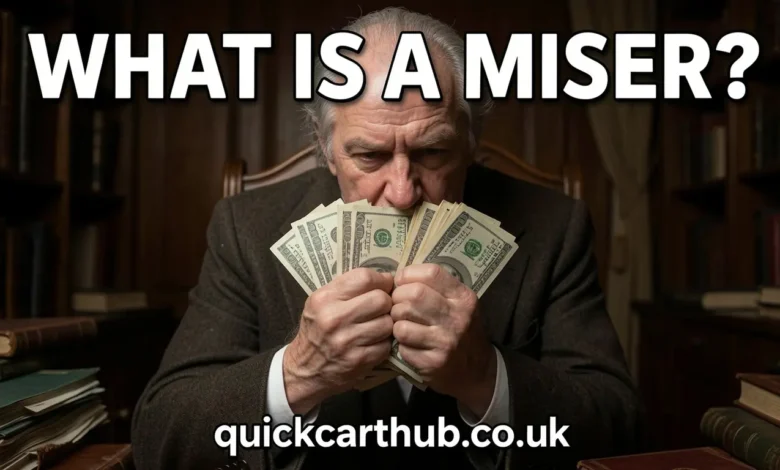
Introduction
You probably know someone who refuses to turn on the heater even in winter, or who reuses tea bags three times to save a few cents. You might wonder what is a miser exactly, and whether that label fits the person you are thinking of. A miser is someone who hoards money out of fear or habit, even when they have more than enough to spend comfortably. This goes far beyond being frugal or careful with cash. In this article, you will learn the real meaning of the word, the signs that separate a miser from a smart saver, the psychology behind this behavior, and how it affects relationships and daily life. By the end, you will be able to spot the difference between healthy saving and the kind of hoarding that quietly hurts people.
Origin and Meaning
The word miser comes from the Latin term for wretched or miserable. That root tells you something important. A miser is not just thrifty. The word originally described someone whose excessive love of money made their own life miserable. You hold onto every coin, yet the joy you expected from saving never really arrives. This is the key difference between a miser and a saver. A saver builds security. A miser builds anxiety, even while their bank balance grows. Source: Wikipedia
Key Traits of a Miser
Wondering if you or someone close to you fits this description? Here are the traits that experts and writers commonly use to define a miser.
- Refuses to spend money even on basic needs like food, heat, or medical care
- Feels intense anxiety or guilt after any purchase, no matter how small
- Hoards cash or possessions instead of using or investing them
- Avoids social events that involve any spending, such as dinners or gifts
- Pressures family members to cut spending, even when money is not tight
- Finds more comfort in counting savings than in actually using them
If you notice several of these patterns, you are likely looking at miserly behavior rather than ordinary budgeting.
Visit……..https://quickcarthub.co.uk/travel-itinerary-template/..
Miser vs Frugal Person: What Is the Real Difference?
People often mix up frugality with being a miser, but the two are not the same. A frugal person spends carefully and chooses value over waste, while still enjoying their money when it matters. A miser avoids spending almost entirely, driven by fear rather than wisdom. You can think of it this way. A frugal friend skips an expensive restaurant but happily pays for a quality winter coat. A miser skips both, even when their old coat has holes and the cold weather puts their health at risk.
Quick Comparison
- Frugal: Spends on needs, saves on wants
- Miser: Avoids spending on needs and wants alike
- Frugal: Feels satisfied after smart purchases
- Miser: Feels anxious after almost any purchase
Why Do People Become Misers?
Miserly behavior rarely comes out of nowhere. It usually grows from deeper experiences and beliefs about money. Understanding the cause can help you respond with patience instead of judgment, whether you are looking at your own habits or someone else’s.
Childhood Financial Trauma
Growing up in poverty or watching parents struggle with debt often leaves a lasting mark. You may carry that fear into adulthood, even after your income improves.
Anxiety and Control
Money can feel like the one thing a person can fully control. Holding onto it tightly becomes a way to manage anxiety about an unpredictable future.
Compulsive Saving Disorder
In more extreme cases, miserly behavior overlaps with obsessive compulsive tendencies. Researchers in behavioral psychology have linked compulsive hoarding of money to the same reward circuits involved in other compulsive habits.
Famous Misers Throughout History
Literature and history are full of memorable misers. Ebenezer Scrooge from Charles Dickens remains the most recognized fictional example, a wealthy man who lived in cold rooms and refused to share even a small portion of his fortune. Real history also offers examples. Hetty Green, once called the witch of Wall Street, was one of the richest women of her time, yet she reportedly wore the same worn dress for years and avoided paying for heat in her own home. These stories stick with us because they show how money without joy becomes its own kind of poverty.
Visit…….https://quickcarthub.co.uk/janet-jackson-son/…..

How Being a Miser Affects Relationships
Miserly habits rarely stay private. They tend to spill into family life, friendships, and romantic relationships in ways that cause real strain.
- Partners often feel controlled or unloved when every expense is questioned
- Children may grow up feeling deprived even in financially stable homes
- Friends may stop inviting a miser to shared activities that involve spending
- Trust can break down when one partner hides money from the other
Signs You Might Be Leaning Toward Miserly Habits
I have noticed that even people who consider themselves simply careful with money sometimes show early signs of this pattern. Ask yourself these honest questions.
- Do you avoid medical care or dental visits purely to save money?
- Do you feel real distress, not just hesitation, before normal purchases?
- Do you keep your true savings hidden from your spouse or partner?
- Do you choose the cheapest option even when it harms your health or safety?
- Do you struggle to enjoy milestones because of the cost involved?
Answering yes to several of these questions suggests it may be worth exploring your relationship with money a little further.
How to Move From Miserly Habits to Healthy Saving
The goal is not to spend recklessly. The goal is to build a relationship with money that feels secure rather than fearful. These steps can help.
- Set a small monthly amount you allow yourself to spend without guilt
- Talk openly with a partner or family member about money fears
- Track your net worth so you can see progress without obsessive hoarding
- Consider speaking with a therapist if anxiety drives most spending decisions
- Practice spending on small joys to retrain your brain around money
Conclusion
So what is a miser, in plain terms? It is someone whose fear of spending controls their life, even when their finances are secure. This differs sharply from frugality, which is a healthy and intentional way to manage money. Miserly habits often grow from childhood experiences, anxiety, or deeper compulsive patterns, and they can quietly damage relationships over time. If any of these signs felt familiar while reading, take it as a gentle nudge rather than a judgment. Small steps toward balanced spending can restore both your finances and your peace of mind. Have you ever caught yourself slipping into miserly habits? Share your experience in the comments, and pass this article along to anyone who might recognize themselves in it.
FAQs
What is a miser in simple words?
A miser is a person who hoards money and avoids spending, even on basic needs, because of fear or habit rather than financial necessity.
Is being a miser a mental health condition?
Not officially, but extreme miserly behavior can overlap with anxiety disorders or compulsive hoarding tendencies and may benefit from professional support.
What is the difference between a miser and a cheapskate?
A cheapskate avoids spending mainly to gain value or avoid waste, while a miser avoids spending out of deep fear, even when it causes harm.
Can a miser change their habits?
Yes. With awareness, open communication, and sometimes therapy, many people gradually build a healthier and more balanced relationship with money.
Are misers always wealthy?
Not always. Some misers have modest incomes, while others are quite wealthy. The defining trait is the behavior, not the bank balance.
What causes someone to become a miser?
Common causes include childhood poverty, financial trauma, anxiety about the future, and in some cases compulsive saving tendencies.
Is saving money the same as being a miser?
No. Saving money is a healthy financial habit. Becoming a miser means saving turns into an anxious, joyless compulsion that limits basic comfort.
What is a famous example of a miser?
Ebenezer Scrooge from Charles Dickens is the most famous fictional example, while Hetty Green is a well known real life example from history.
Read More………..
About the Author
Lena Marsh writes about money psychology and everyday personal finance. She enjoys breaking down complicated financial ideas into simple, relatable lessons that help readers build a calmer relationship with their money.