

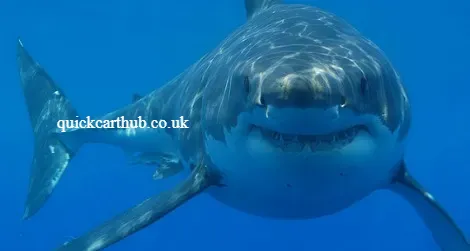
Picture this. You are floating in calm ocean water, enjoying the sun, when a dark shape glides beneath you. Your heart skips a beat. This is the fear that comes to mind whenever people hear the words great white shark attack. Movies, news headlines, and viral videos have turned this topic into one of the most searched ocean mysteries today.
But how real is this fear? Are great white sharks really the man eating monsters we imagine, or is the truth far less dramatic?
In this article, you will learn what a great white shark actually is, why attacks happen, how common they really are, and where most incidents take place. You will also get practical survival tips and answers to the questions people ask most about shark safety.
By the end, you will understand this topic with facts instead of fear. source:facebook
What Is a Great White Shark?
The great white shark is one of the largest predatory fish in the ocean. It can grow over 15 feet long and weigh more than 2,000 pounds. Its scientific name is Carcharodon carcharias, and it belongs to a family of sharks known for powerful jaws and sharp senses.
Great whites are apex predators. This means they sit at the very top of the marine food chain. They mainly hunt seals, sea lions, fish, and other marine animals. Humans are not part of their natural diet.
You can find great white sharks in almost every ocean, especially in cooler coastal waters. They are known for their incredible speed, sharp eyesight, and ability to sense tiny electrical signals from other animals nearby.
What Is a Great White Shark Attack?
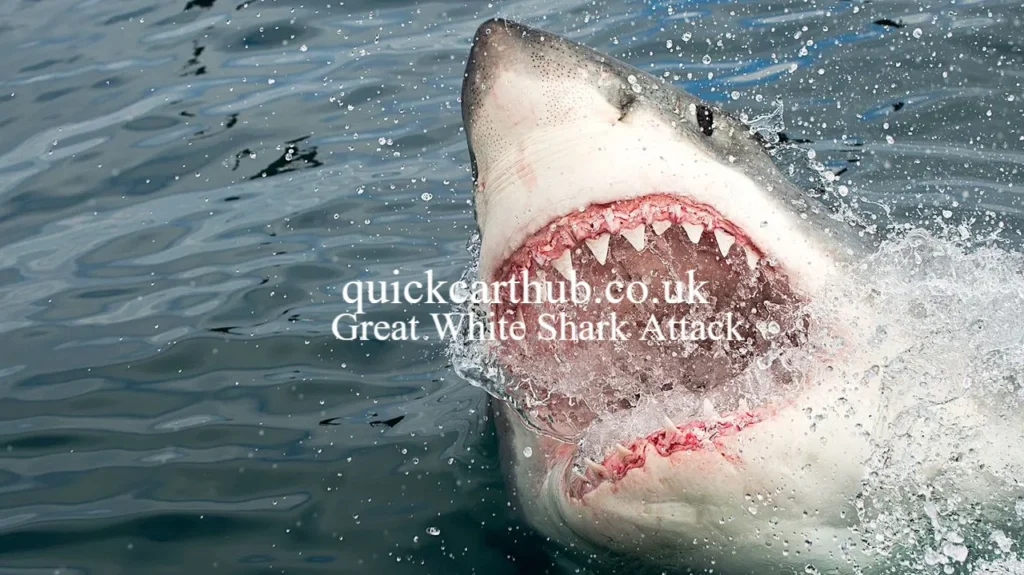
A great white shark attack happens when this shark bites or collides with a human, usually by mistake. Most attacks are not planned hunts. Instead, they are cases of mistaken identity or curiosity.
Experts classify attacks into three types.
- Hit and run attacks, where the shark bites once and swims away
- Bump and bite attacks, where the shark investigates before biting
- Sneak attacks, which are rare and more aggressive
A great white shark bite can be serious because of the size and power of its jaws. However, most victims survive, especially when they get quick medical help.
Why Do Great White Sharks Attack Humans?
This is one of the biggest questions people search online. The truth is simple. Great white sharks do not see humans as food.
Here are the most common reasons attacks happen.
Mistaken identity From below the surface, a swimmer or surfer on a board can look like a seal. This is the leading theory behind most bites near the coast.
Curiosity Sharks often explore unfamiliar objects with their mouths, similar to how a dog uses its nose. A bite can be an exploratory test rather than a hunting attempt.
Poor visibility In murky water, sharks rely more on movement and shape than clear vision. This increases the chance of confusion.
Presence of prey nearby If seals or fish are close to swimmers, a shark hunting nearby may accidentally target a human instead.
Understanding great white shark behavior helps explain why most attacks are not predatory in nature. Sharks usually release the person after the first bite once they realize it is not their usual prey.
How Common Are Great White Shark Attacks?
Despite what movies show, a great white shark attack today is still extremely rare. According to global shark attack data, there are around 70 to 100 unprovoked shark attacks worldwide each year across all species. Great whites are responsible for a portion of these, but fatalities remain uncommon.
Let’s look at some shark attack statistics that put the risk into perspective.
- You are more likely to be struck by lightning than killed by a shark
- Most attacks result in non fatal injuries
- Survival rates are high with fast medical treatment
These numbers show that while great white shark attacks do happen, they are far from an everyday danger for beachgoers.
Where Do Most Great White Shark Attacks Happen?
If you are wondering where do great white shark attacks happen, certain regions report more incidents due to shark populations and human activity in the water.
Common hotspots include:
- California coastline, especially near seal colonies
- South Africa, particularly around Cape Town
- Australia’s southern and eastern coasts
- Parts of the northeastern United States
These areas share one thing in common. They have strong seal and sea lion populations, which naturally attract great white sharks closer to shore.
How Dangerous Are Great White Sharks Really?
So, how dangerous are great white sharks in real life? They are powerful predators with strong bite force and incredible speed, but they are not driven by aggression toward humans.
Most bites happen due to curiosity or confusion rather than a desire to hunt people. This does not mean the danger is zero. A single bite from a great white can cause serious injury due to its size and strength.
Respecting the ocean and understanding shark behavior is the smartest way to reduce risk.
Famous Great White Shark Attacks
Several incidents have shaped public perception of these predators.
One well known case involves a surfer in California who survived a major bite and later became an advocate for shark conservation. Another notable event happened off the coast of South Africa, where a swimmer encountered a shark near a seal colony and survived with medical help.
These famous great white shark attacks often get widespread media coverage, which increases public fear even though such events remain statistically rare.
Shark Attack Survival Tips
If you love the ocean, knowing basic shark attack survival tips can boost your confidence and safety.
- Stay calm and avoid splashing excessively
- Try to keep the shark in your line of sight
- Defend sensitive areas like eyes and gills if contact occurs
- Swim steadily toward shore instead of panicking
- Seek medical help immediately after any bite
Even experienced swimmers benefit from remembering these steps.
Shark Attack Prevention Tips
Prevention is always better than reaction. Here are simple ways to lower your risk in shark territory.
- Avoid swimming at dawn or dusk when sharks feed actively
- Stay away from areas with seals or fishing activity
- Swim in groups rather than alone
- Avoid wearing shiny jewelry that can resemble fish scales
- Follow local beach safety warnings and flags
These small precautions make a big difference in staying safe near coastal waters known for shark activity.
See More…
Final Thoughts
A great white shark attack is a frightening idea, but the real risk is much smaller than public fear suggests. These animals are curious, powerful, and essential to ocean ecosystems. Most encounters end without serious harm, especially when people understand shark behavior and follow safety guidelines.
The next time you step into the ocean, remember that education and awareness are your best tools. Have you ever had a shark encounter or a moment of ocean fear? Share your thoughts, and pass this article along to anyone who loves the sea as much as you do.
Visit…
Frequently Asked Questions
Is a great white shark attack usually fatal? No. Most great white shark attacks result in non fatal injuries, especially with quick medical treatment.
What triggers a great white shark bite? Most bites happen due to mistaken identity, curiosity, or poor water visibility rather than predatory hunting.
Where do great white shark attacks happen most often? Common regions include California, South Africa, and parts of Australia, often near seal colonies.
How can I avoid a shark attack while swimming? Avoid swimming at dawn or dusk, stay in groups, and steer clear of areas with seals or fishing activity.
Are great white sharks aggressive toward humans? Not naturally. Great white sharks do not consider humans a normal food source.
What should I do if a shark approaches me? Stay calm, keep the shark in sight, and slowly move toward shore without sudden movements.
How rare are great white shark attacks compared to other risks? They are extremely rare. You face a higher chance of injury from everyday activities like driving than from a shark encounter.
Do great white sharks attack more than other shark species? They are among the most reported species, but many other sharks also interact with humans, often with less media attention.
Read More…
About the Author
Sarah Mitchell is a marine wildlife writer with a passion for ocean conservation and coastal safety education. She enjoys turning complex marine science into simple, practical information that helps everyday beachgoers and ocean lovers stay informed and safe.