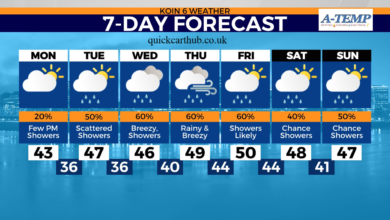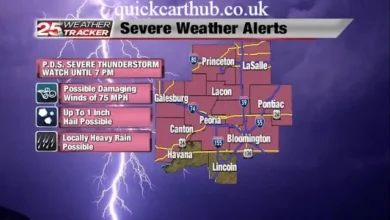

Have you ever stepped outside and immediately regretted not checking the forecast? It happens to the best of us. You leave home in a light jacket, and by noon, you’re soaked in rain you never saw coming. That frustrating moment is exactly why knowing How’s the Weather Tomorrow? tomorrow matters more than most people think.
Tomorrow’s weather forecast is not just a number on your phone screen. It shapes your whole day. Whether you have an outdoor wedding, a school run, a morning jog, or a big commute ahead, the weather controls more of your life than you realize. This article walks you through everything you need to know about checking tomorrow’s weather accurately, reading forecasts like a pro, and never getting caught off guard again.
Why Tomorrow’s Weather Forecast Actually Matters
Most people check the weather as an afterthought. They glance at it while drinking their morning coffee, barely absorb the information, and then head out unprepared. That is a habit worth breaking.
Tomorrow’s weather affects your clothing choices, travel plans, energy use, and even your mood. Studies in environmental psychology show that people feel genuinely more anxious and less productive on days with unexpected bad weather. Planning ahead, even just one day in advance, reduces that stress significantly.
A solid tomorrow weather forecast gives you time to:
- Reschedule outdoor plans if heavy rain is coming
- Pack an umbrella or an extra layer the night before
- Adjust your morning commute timing to avoid weather-related traffic
- Prepare kids with the right gear for school
Small decisions, big difference.
How to Check Wht the Weather Will Be Tomorrow
You have more options than ever before, and that is a good thing. Here is how to read tomorrow’s forecast the right way.
Use a Trusted Weather App or Website
Not all weather sources are equal. Some pull from national meteorological services and deliver highly accurate data. Others rely on older models and can be off by several degrees or miss rain windows entirely.
The most reliable sources for tomorrow’s temperature and rain forecasts include national weather agencies like the National Weather Service in the United States, the Met Office in the United Kingdom, and similar government bodies in other countries. These services update their models multiple times per day using satellite data, radar, and ground sensors.Source:accuweather
Search “Tomorrow Weather Near Me”
If you type “tomorrow weather near me” into any major search engine, it pulls your location automatically and shows a localized forecast. This is one of the fastest ways to get a quick, accurate picture without downloading anything.
You will typically see:
- Tomorrow’s high and low temperature
- Wind speed and direction
- Precipitation probability
- Humidity levels
- UV index
That is everything you need to plan your day intelligently.
Check Tomorrow Hourly Weather for Better Accuracy
A daily forecast gives you the big picture. But tomorrow hourly weather is where the real detail lives. Instead of knowing it will rain “tomorrow,” you will know it rains between 2 p.m. and 6 p.m. That changes everything.
If you have a morning meeting outside, hourly data tells you whether you are safe. If you plan to mow the lawn in the afternoon, you will know to do it in the morning instead. Hourly forecasts are one of the most underused tools in everyday weather planning.
Will It Rain Tomorrow? Here Is How to Tell
Rain is the forecast element most people care about. Nobody wants to get soaked unexpectedly. Here is how to read a tomorrow rain forecast with confidence.
Understand Precipitation Probability
When a forecast says there is a 40% chance of rain, that does not mean it will rain 40% of the day. It means that in similar weather conditions, rain occurred 40% of the time. A 70% or higher probability means you should genuinely bring an umbrella.
Watch for These Rain Indicators
- Dark grey cloud icons on your weather app
- Humidity above 80%
- Falling barometric pressure
- Wind shifting direction, often from the south or southwest
These signals together suggest that rain is more likely than the percentage alone might imply.
Morning vs. Afternoon Rain Patterns
Rain does not fall evenly throughout the day. In many parts of the world, afternoon thunderstorms are far more common than morning ones, especially in warmer months. Knowing this helps you plan smarter.
Check weather tomorrow morning and weather tomorrow afternoon separately if you have split plans across the day. Many apps let you break down forecasts into morning, afternoon, and night segments, so take advantage of that feature.
Reading Tomorrow’s Temperature the Right Way
Tomorrow temperature is more than just the high and low. Here is what each number actually means for your comfort.
High temperature: The warmest point of the day, usually between 2 p.m. and 4 p.m.
Low temperature: The coldest point, typically just before sunrise.
Feels like temperature: This accounts for wind chill in winter and humidity in summer. It is usually the most accurate reflection of how you will actually feel outside.
If the forecast shows a high of 28°C (82°F) but the feels-like temperature is 35°C (95°F) because of humidity, dress and hydrate accordingly. Ignoring this detail causes discomfort and, in extreme cases, heat-related illness.
Weather Tomorrow Morning, Afternoon, and Night: A Quick Guide
Breaking down how’s the weather tomorrow by time of day helps you plan with far more precision.
Weather tomorrow morning: Check for frost, fog, or early showers. These are common in transitional seasons like spring and autumn. Fog can cause significant delays on roads and at airports.
Weather tomorrow afternoon: This is peak storm time in many climates. If severe weather is in the forecast, it usually arrives in the afternoon. Plan outdoor activities before noon if possible.
Weather tomorrow night: Night weather matters for events, evening walks, or open-window sleeping. A calm evening can turn cold fast, especially after a warm day, so always check the overnight low.
Tips to Never Get Caught Off Guard Again
Here are practical habits that make weather checking part of your routine without being obsessive about it.
- Check the forecast the night before, not the morning of. You have more time to adjust your plans.
- Set a weather alert for your location. Most apps and phones allow automatic notifications for rain, storms, or extreme temperatures.
- Always check the hourly view, not just the daily summary.
- Cross-reference two sources if the stakes are high, like an outdoor event or a long drive.
- Trust radar over written forecasts for same-day or next-day rain predictions. Radar shows what is actually happening, not just what models predict.
Temblor en New Jersey Hoy
Common Mistakes People Make When Checking the Forecast
Even people who check the weather daily make these errors.
Relying on a single app. Different apps use different weather models. If tomorrow’s forecast shows a 60% rain chance on one app and 20% on another, check a government meteorological site to settle the question.
Ignoring wind. A sunny day at 18°C feels very different with 40 km/h winds. Wind completely changes what you should wear and how you should plan outdoor activities.
Forgetting microclimates. Your city might show one forecast, but your specific neighborhood, especially near hills, water, or urban heat pockets, can be noticeably different. If you live near a coast or a large body of water, always look for hyper-local data.
Conclusion
Checking how’s the weather tomorrow is one of the simplest things you can do to make your day run more smoothly. It takes under a minute, but the payoff is real. You avoid being caught in unexpected rain, you dress for actual conditions, and you make smarter choices about your schedule.
The key is not just checking the forecast but reading it correctly. Use hourly data. Pay attention to feels-like temperatures. Watch rain probability with context. And always check the night before so you have time to actually adjust.
Weather surprises can be fun when they are pleasant. But a drenching downpour on your way to work is not one of them. Take 60 seconds tonight, check tomorrow’s forecast, and step outside prepared.
What is your go-to trick for staying ahead of the weather? Share it with someone who needs it today.
Braxton Berrios Girlfriend 2026
Frequently Asked Questions
Q1: How accurate is a weather forecast for tomorrow? Tomorrow’s forecast is generally 80% to 90% accurate. One-day forecasts use real-time data and frequently updated models, making them significantly more reliable than 5 or 7-day outlooks.
Q2: What does “30% chance of rain tomorrow” actually mean? It means that based on current conditions, there is a 30% statistical probability of measurable rainfall occurring at your location during that forecast period. Below 50% is generally considered unlikely but possible.
Q3: How do I check tomorrow’s weather near me without an app? Simply type “tomorrow weather near me” or “weather forecast for tomorrow” into any major search engine. It will automatically detect your location and show a local forecast.
Q4: Why does my weather app show a different temperature than another app? Different apps use different weather models and data sources. For the most accurate reading, check your national meteorological service’s official forecast.
Q5: What time of day is most accurate to check tomorrow’s weather? Checking in the evening, around 9 p.m. to 11 p.m., gives you the most up-to-date forecast before you sleep, with enough time to adjust your plans for the next day.
Q6: Will it rain tomorrow if the sky is cloudy today? Not necessarily. Cloudy skies are one indicator of possible rain, but you need to combine that with falling air pressure, high humidity, and actual precipitation probability from a reliable source before concluding it will rain.
Q7: How do I check tomorrow’s hourly weather? Open any weather app and tap on tomorrow’s date. Most apps automatically expand into an hourly breakdown showing temperature, rain chance, and wind speed for each hour of the day.
Q8: What is the best free weather app for tomorrow’s forecast? Government-backed weather apps like the Weather Channel, Weather Underground, or your national meteorological authority’s official app tend to be most accurate for tomorrow’s detailed forecast.
Q9: How cold will it be tomorrow night? Check the overnight low temperature in your forecast. Also look at the “feels like” temperature for night, which factors in wind chill and humidity to give you a more realistic sense of how cold it will actually feel.
Q10: Can weather forecasts predict storms a day in advance? Yes. Modern meteorological technology can detect storm systems forming 24 to 48 hours in advance with fairly high accuracy. If severe weather is expected tomorrow, most weather services will issue alerts the evening before.
Lucy Davis Fit
About the Author
Jordan Miles is a lifestyle and practical living writer with over eight years of experience covering everyday topics that make life easier. With a background in environmental science and a passion for accessible, jargon-free writing, Jordan helps readers navigate everything from daily weather decisions to seasonal planning. When not writing, Jordan enjoys hiking, amateur photography, and stubbornly refusing to carry an umbrella until absolutely necessary.