

Introduction
Picture this. You just moved into a new house and the kitchen faucet is dripping nonstop. You need a fix fast, but you also want quality tools that will not break your budget. This is exactly where The Home Depot steps in as a trusted name for millions of homeowners across the country. Whether you are building a deck, painting a bedroom, or simply looking for light bulbs, this retailer has become a go to destination for anyone tackling home projects.
The Home Depot is not just a store. It is a complete ecosystem built around home improvement, renovation, and everyday repairs. From beginners picking up their first tool set to professional contractors managing large projects, everyone finds something useful here.
In this article, you will learn what The Home Depot actually offers, how its online shopping works, which departments are most popular, what brands you can trust, and how the Pro program helps professionals save time and money. We will also cover deals, return policies, and answers to common questions people search for every day.
What Is The Home Depot?
The Home Depot is one of the largest home improvement retailers in the world. It started in 1978 with a simple idea. Give customers a huge selection of tools and building materials under one roof, along with expert advice.
Today it operates thousands of stores across the United States, Canada, and Mexico. The company focuses on empowering do it yourself shoppers and professional contractors alike. You can walk in for a single screw or plan an entire kitchen remodel using their resources.
The brand has grown into more than a hardware store. It represents convenience, variety, and reliability for anyone working on a home project.
Products Available
The product range at The Home Depot is honestly massive. You could spend hours just browsing and still not see everything.
Here are some major product categories you will find:
- Building materials like lumber, drywall, and concrete
- Tools, both power and hand tools
- Plumbing and electrical supplies
- Paint and painting supplies
- Flooring, tiles, and carpets
- Outdoor equipment like mowers and grills
- Appliances including refrigerators and washers
- Furniture for patios and outdoor living
- Holiday decor and seasonal items
I remember searching for a specific paint shade for my living room and being surprised by how many options were available, both in store and online. That kind of variety is a big reason shoppers keep coming back.
Services Offered
Beyond products, The Home Depot offers services that make life easier for homeowners who do not want to do everything themselves.
Installation Services
You can get professional installation for flooring, water heaters, garage doors, and even kitchen cabinets. This saves you the stress of hiring a separate contractor.
Tool and Equipment Rental
Need a pressure washer or a tile saw for one weekend project? Renting instead of buying makes sense for tools you will rarely use again.
Home Design Consultations
Some locations offer design help for kitchens and bathrooms, guiding you through layout and material choices before you commit to a purchase.
These services turn the store into more than a shopping destination. It becomes a project partner.
Online Shopping
Online shopping through The Home Depot has grown rapidly over recent years. The website and mobile app let you browse products, check local store stock, and schedule delivery or pickup.
A few features stand out:
- Real time inventory check for nearby stores
- Same day delivery on many items
- Easy online returns
- Product reviews from real customers
- Detailed buying guides for beginners
If you prefer shopping from your couch, the online platform makes it simple to compare products, read reviews, and get items delivered without stepping outside.

Store Locations
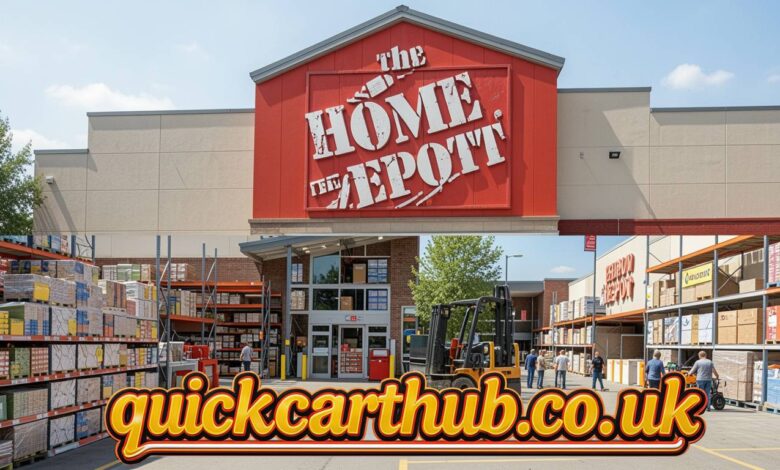
The Home Depot operates a huge network of physical stores, making it easy to find one nearby no matter where you live. Most stores are large warehouse style buildings, which allow them to stock thousands of items at once.
You can use the store locator tool on their website to check hours, available services, and even curbside pickup options at your closest location. This is especially handy when you need something urgently and cannot wait for shipping.
Popular Departments
Certain departments consistently attract more shoppers than others. Understanding these can help you navigate the store faster.
Garden Center
Perfect for anyone into gardening, this department offers plants, soil, fertilizers, and outdoor decor.
Tools Department
This is often the busiest section, filled with both professional grade and beginner friendly tools.
Paint Department
Many stores offer custom color matching, which is a lifesaver when you are trying to match an existing wall color.
Appliances
Shoppers often visit this department when upgrading kitchens or replacing broken appliances.
Brands Sold
The Home Depot carries both its own exclusive brands and many trusted national names. Some popular brands include:
- Husky tools
- RIDGID power tools
- Behr paint
- Hampton Bay furniture and lighting
- GE and Samsung appliances
- Milwaukee tools
Having both budget friendly and premium brand options means shoppers with different needs can all find something suitable.
Home Depot Pro
Home Depot Pro is a program designed specifically for contractors, builders, and trade professionals. It offers bulk pricing, dedicated account support, and faster checkout for large orders.
Professionals also get access to job lot quantities, meaning they can buy materials in bulk without running out mid project. This program has become essential for many small business owners in construction and renovation trades.
Deals and Savings
Everyone loves a good deal, and The Home Depot regularly offers discounts through seasonal sales, clearance sections, and special promotions.
Some ways to save include:
- Signing up for email alerts on discounts
- Checking the clearance aisle in physical stores
- Using the Home Depot app for exclusive online deals
- Taking advantage of seasonal sales like spring and fall promotions
Comparing prices before big purchases always helps you get the best value.
Return Policy
The Home Depot generally allows returns within 90 days for most items, with receipt. Some products like appliances may have different return windows, so it is smart to check the specific policy for your item.
Keeping your receipt or using the store credit card for purchases makes returns much smoother if something does not work out.
Conclusion
The Home Depot has built its reputation by offering a wide range of products, useful services, and a shopping experience that fits both casual shoppers and serious professionals. From online convenience to in store expertise, it continues to be a reliable choice for home improvement needs.
Whether you are planning a small repair or a major renovation, The Home Depot gives you the tools, materials, and support to get it done. Have you shopped there recently? Share your experience or favorite department in the comments below.
FAQs
Is The Home Depot only for professionals?
No, it serves both beginners and professional contractors equally well.
Does The Home Depot offer installation services?
Yes, they offer installation for flooring, appliances, and more.
Can I return items without a receipt?
Sometimes, but having a receipt makes the process faster and easier.
What is Home Depot Pro?
It is a program built for contractors offering bulk pricing and dedicated support.
Does The Home Depot deliver same day?
Yes, many locations offer same day delivery on eligible items.
Are Home Depot brands good quality?
Yes, brands like Husky and RIDGID are known for durability.
Can I rent tools from The Home Depot?
Yes, tool rental is available for short term projects.
How do I find the nearest Home Depot store?
You can use their online store locator tool by entering your zip code.
Does The Home Depot price match?
Yes, they often match competitor prices on identical items.
Is online shopping available for all products?
Most products are available online, though some large items may only be in store.
also read: quickcarthub.co.uk
email: johanharwen@314gmail.com
Author Name: Written by
Author Bio : Written by a home improvement enthusiast who enjoys exploring tools, renovation trends, and practical tips for everyday homeowners. Passionate about helping readers make smarter shopping decisions for their homes.